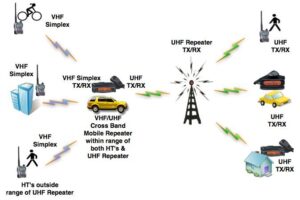
Cb Radio Parts Diagram: Unlocking the Secrets of Connectivity
CB radios are vital for communication on the road. Understanding their parts can improve your experience.
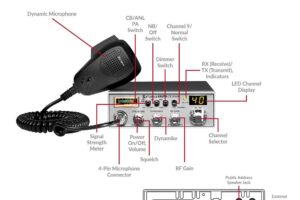
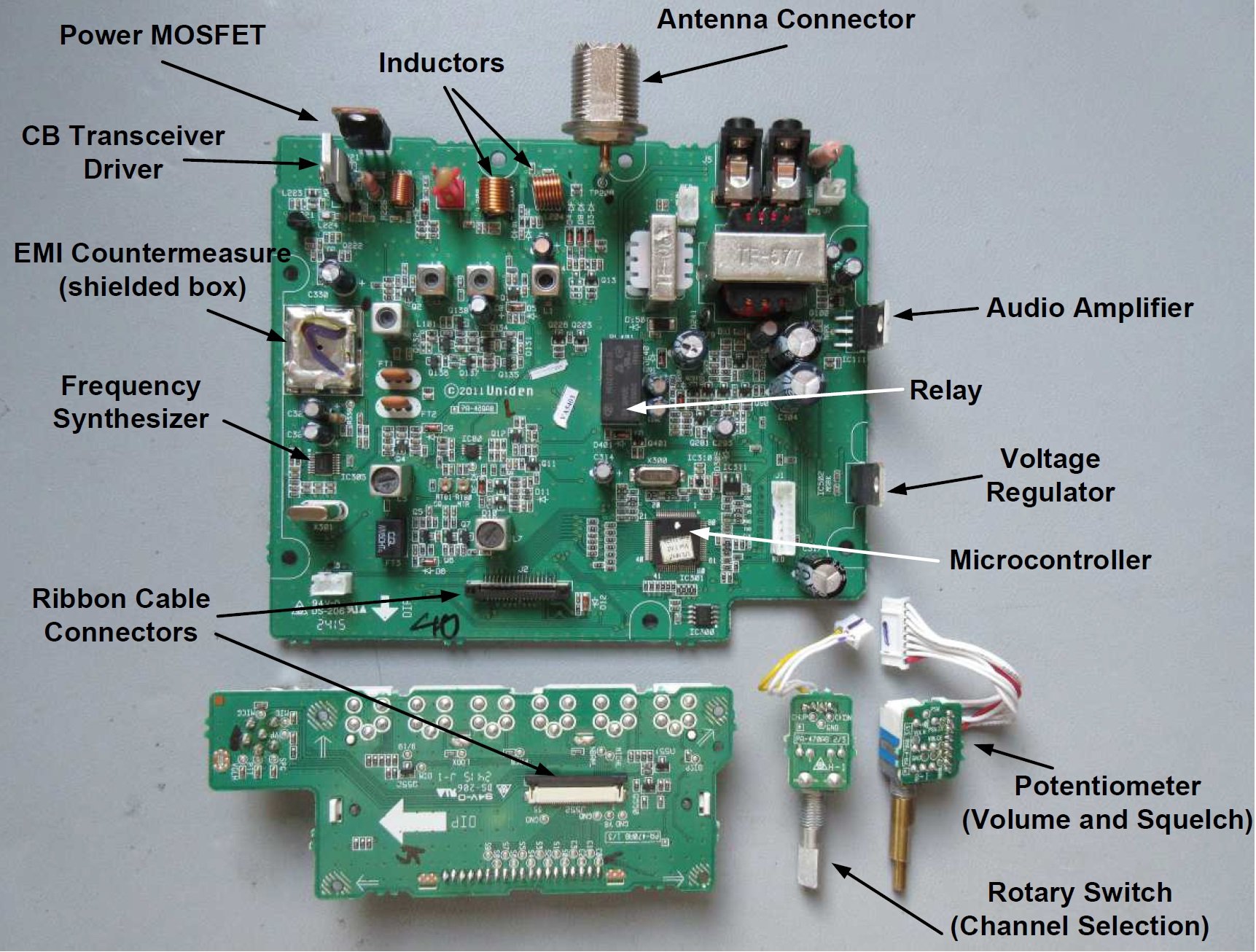
In this blog post, we will explore the components of a CB radio. Knowing each part helps in troubleshooting and enhancing performance. A detailed diagram can simplify the complexities of the device. Whether you are a novice or an enthusiast, this guide will be beneficial.
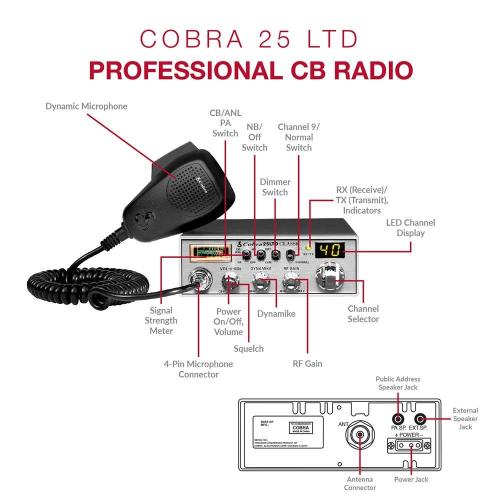
CB radios consist of several crucial elements that work together seamlessly. From the microphone to the antenna, each part plays a role in effective communication. Let’s dive into the intricate world of CB radio parts and understand their functions better. This knowledge can empower you to handle your radio with confidence and expertise.
Credit: www.allaboutcircuits.com
Introduction To Cb Radios
CB radios, or Citizen Band radios, have been a staple in communication for decades. They are especially popular among truck drivers, hobbyists, and emergency services. Understanding the parts of a CB radio can help you troubleshoot issues and make the most of this versatile communication tool.
History And Evolution
CB radios first gained popularity in the 1940s and 1950s. They were initially used by small business owners and farmers to communicate over short distances. As technology advanced, CB radios became more accessible to the general public.
By the 1970s, they were a cultural phenomenon. Truck drivers used CB radios to share information about road conditions and speed traps. This led to the development of a unique CB radio lingo, which is still in use today.
Over time, CB radios have evolved to include more channels and better sound quality. Modern CB radios are more compact and efficient than their predecessors. They now feature digital displays and improved range.
Importance In Communication
CB radios play a crucial role in communication, especially in areas with limited cell phone service. They are invaluable for truck drivers, helping them stay connected and informed. In remote areas, CB radios can be lifesavers during emergencies.
Hobbyists also find CB radios to be an enjoyable way to connect with others. Many people use them to participate in radio clubs and meet new friends. CB radios can also be used for coordinating events or outdoor activities.
Understanding the parts of a CB radio can enhance your experience and ensure you get the best performance. From the microphone to the antenna, each component plays a vital role. Knowing how to maintain and troubleshoot these parts is essential for effective communication.
Have you ever used a CB radio? What was your experience like? Share your thoughts in the comments below!
Credit: www.researchgate.net
Cb Radio Components
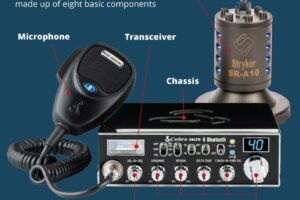
Understanding CB radio components is crucial for anyone looking to get the most out of their communication device. Each part plays a vital role in ensuring clear and efficient communication. Let’s break down two key components: the transceiver and the microphone.
Transceiver
The transceiver is the heart of your CB radio. It both transmits and receives signals. Without it, your CB radio would be just a box of wires.
Think of the transceiver as the brain of the operation. It processes the signals you send out and the ones you receive. If you’ve ever experienced poor signal quality, the transceiver might be the culprit.
I remember upgrading my old transceiver and the difference was night and day. The clarity improved, and I was able to communicate over longer distances. Have you ever considered how much your transceiver affects your overall communication experience?
Microphone
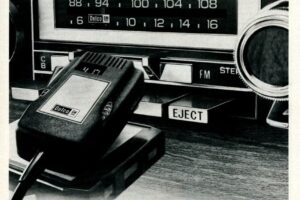
The microphone is your voice’s gateway to the world. It’s the part you speak into, and it captures your voice to send out through the transceiver.
A good microphone can make a big difference in how well others hear you. My first CB radio came with a basic microphone, and people often complained about muffled audio. Swapping to a higher-quality mic improved my transmissions instantly.
When choosing a microphone, look for one that fits comfortably in your hand and has good audio clarity. Have you ever tried different microphones to see which one works best for you? Sometimes, a simple change can make a huge difference in your CB radio experience.
By understanding and choosing the right CB radio components, you can significantly improve your communication efficiency. What upgrades will you consider for your CB radio setup?
Antenna Systems
If you’re diving into CB radio, understanding antenna systems is crucial. Antennas are the heart of your communication setup, ensuring you get the best signal. Without a good antenna, even the best CB radio won’t perform well.
Let’s break down the essentials of antenna systems.
Types Of Antennas
Different types of antennas suit different needs. The most common types include:
- Base Station Antennas: These are usually mounted on buildings or other structures. They offer excellent range and are ideal for fixed locations.
- Mobile Antennas: Perfect for vehicles, these antennas are designed to be mounted on cars, trucks, and RVs. They provide good range while on the move.
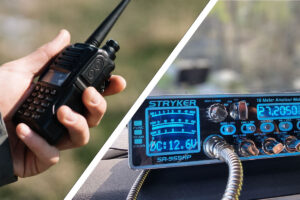
- Handheld Antennas: These are built into handheld CB radios. While they offer convenience, their range is limited compared to other types.
I remember installing a mobile antenna on my truck. The difference in signal quality was night and day. It was like switching from a tin can phone to a high-end smartphone!
Installation Tips
Installing your antenna correctly is as important as choosing the right type. Here are some practical tips:
- Choose the Right Location: Ensure your antenna is placed as high as possible. The higher it is, the better the range.
- Grounding: Proper grounding is essential for mobile antennas. Poor grounding can lead to weak signals and interference. Use a grounding strap if necessary.
- Use a SWR Meter: A Standing Wave Ratio (SWR) meter helps you fine-tune your antenna for the best performance. Adjust your antenna until the SWR reading is at its lowest.
When I installed my first CB radio, I skipped the SWR meter step. Big mistake! My signal was weak, and I missed out on important communications. Once I used the meter, everything clicked into place.
Have you ever wondered why your signal drops in certain areas? It could be your antenna setup. Give these tips a try and see the difference for yourself.
Power Supply Essentials
Understanding the power supply essentials of a CB radio is crucial. A well-connected power supply ensures optimal performance. This section will guide you through the basics. Learn how to connect your battery and power cables effectively.
Battery Connection
A stable battery connection is vital for your CB radio. Use a reliable battery to avoid interruptions. Ensure the battery terminals are clean and free of corrosion. Connect the positive terminal first. Then, connect the negative terminal. This sequence helps prevent sparks. Check the connections regularly for any signs of wear.
Power Cables
Quality power cables are essential. They deliver a steady flow of electricity. Use cables with thick insulation. This prevents damage and ensures safety. Secure the cables properly to avoid loose connections. Keep them away from sharp edges. This protects the cables from cuts and breaks. Regularly inspect the cables for wear and tear.
Signal Boosters And Amplifiers
When you’re using a CB radio, signal boosters and amplifiers can make a huge difference. They enhance the radio’s range and clarity. This means better communication even in remote areas.
Choosing The Right Booster
Finding the right booster for your CB radio is crucial. You need to consider factors like the power output and compatibility with your radio model. High-power boosters can extend your range significantly, but they might be overkill if you don’t need extensive coverage.
Think about where you’ll be using your CB radio. If you’re often in areas with weak signals, investing in a stronger booster makes sense. On the other hand, if you mostly use your radio in areas with decent coverage, a moderate booster might suffice.
Look at user reviews and expert recommendations. These insights can help you make a more informed decision. A friend once recommended me a booster, and it was a game-changer for our off-road trips.
Installation Guidelines
Installing your signal booster correctly ensures optimal performance. Start by reading the manufacturer’s instructions carefully. Each model might have specific requirements, so following the guidelines is essential.
Mount your booster securely. A loose installation can lead to poor signal enhancement and potential damage. Use the right tools and brackets to keep it firmly in place.
Connect the booster to your CB radio and power source. Double-check the connections to avoid any setup issues. I once overlooked a simple connection, and it took me hours to figure out why my booster wasn’t working.
Test your setup before heading out. Make sure everything is functioning as expected. Ask yourself: Do I notice a significant improvement in signal clarity and range? If not, recheck your installation.
Remember, a properly installed booster can make your CB radio experience much more enjoyable. You’ll appreciate the difference when you’re able to communicate clearly in areas with traditionally poor coverage.
Credit: www.walcottradio.com
Mounting And Housing Options
Understanding mounting and housing options for your CB radio can make a significant difference in your overall experience. Whether you’re setting it up in a vehicle or creating an indoor setup, knowing the best options can enhance both functionality and convenience. Let’s dive into the specifics of vehicle mounts and indoor setups.
Vehicle Mounts
Mounting a CB radio in your vehicle is crucial for a smooth and safe operation. You have several choices depending on your vehicle type and personal preference. A common option is the dash mount. This involves attaching the radio unit directly to the dashboard, ensuring easy access and visibility.
Another popular method is the under-dash mount. This mount keeps your dashboard clutter-free and positions the radio within arm’s reach. It’s also a good choice for those who prefer a cleaner look inside their vehicle. Lastly, consider the floor mount. This is ideal for larger vehicles like trucks, where you have more space and need the radio to be within easy reach without obstructing your view.
Have you ever tried a magnetic mount antenna? It’s incredibly convenient, especially if you frequently switch vehicles. You can easily attach and detach the antenna without leaving any marks. What’s your preferred vehicle mount?
Indoor Setups
Setting up a CB radio indoors requires different considerations. You can opt for a desktop mount which is perfect for a stationary setup. Placing the radio on your desk allows you to manage it effortlessly while working or relaxing at home.
Wall mounts are another efficient option. By securing the radio to a wall, you save space and keep your workspace organized. This is particularly useful in small apartments or rooms where desk space is limited.
One innovative idea is integrating your CB radio into a home entertainment system. You can connect it to your existing speakers and enjoy clear audio throughout your home. Imagine listening to your favorite channels while cooking or doing chores. How would you incorporate a CB radio into your daily home life?
Tuning And Calibration
When setting up your CB radio, tuning and calibration are essential steps. This ensures your device operates efficiently and communicates clearly. A well-tuned CB radio can make a significant difference in your overall experience.
Swr Meters
SWR meters, or Standing Wave Ratio meters, are crucial tools for CB radio users. They measure the efficiency of your antenna system. A good SWR reading ensures that your radio transmits power effectively.
Think of it like tuning a musical instrument. If it’s out of tune, the music won’t sound right. Similarly, a poorly tuned CB radio won’t communicate well. An SWR meter helps you fine-tune your setup for the best performance.
Adjusting For Optimal Performance
Adjusting your CB radio for optimal performance involves several steps. Start by connecting the SWR meter between your radio and antenna. This placement allows it to measure the power going to the antenna and the power reflecting back.
Once connected, transmit a signal and observe the SWR reading. Ideally, you want a reading close to 1:1. If it’s higher, your antenna needs adjustment. This might involve changing its length or position.
Calibrating your CB radio can be a trial-and-error process. But patience pays off. Each adjustment brings you closer to clear, effective communication.
Have you ever spent hours tweaking something to get it just right? Adjusting your CB radio can feel like that. But the clarity you achieve is worth every minute.
How do you ensure your CB radio is perfectly tuned? Share your tips and experiences in the comments below. Your insights could help fellow enthusiasts get the most out of their setups.
Troubleshooting Common Issues
Troubleshooting common issues with your CB radio can be a daunting task. Understanding the parts diagram is crucial. It helps you identify and fix problems quickly. In this section, we will explore some typical issues. These include poor reception and interference problems. Let’s dive in and see how you can resolve these challenges.
Poor Reception
Poor reception is a frequent issue with CB radios. Start by checking the antenna. Ensure it is properly connected and not damaged. A faulty antenna can significantly affect reception quality. Next, inspect the coaxial cable. Look for any signs of wear or damage. Replace the cable if necessary. Another common cause is a poor grounding connection. Ensure your radio and antenna are well-grounded. This improves reception and overall performance.
You should also check the SWR (Standing Wave Ratio). A high SWR can indicate a mismatch between the antenna and the radio. Use an SWR meter to measure it. Adjust the antenna to achieve a lower SWR. This ensures optimal reception.
Interference Problems
Interference can disrupt clear communication. It often comes from other electronic devices. Start by identifying the source of interference. Turn off nearby electronic devices one by one. This helps you pinpoint the culprit. Once identified, move the device away from the radio. This reduces interference.
You can also use noise filters. These filters help reduce unwanted noise. Install them on your power supply line. Another solution is to use a better-quality coaxial cable. High-quality cables offer better shielding. This minimizes interference from external sources.
Regular maintenance of your CB radio is crucial. Clean the connections and components. This helps in reducing issues related to interference. By taking these steps, you ensure a smoother communication experience.
Enhancing Connectivity
CB radios are a great way to stay connected, especially in areas where cell phone signals are weak. But sometimes, the standard setup doesn’t provide the range or functionality you need. Enhancing connectivity involves using specific techniques and accessories to boost performance.
Whether you’re a trucker on a long-haul trip or someone who loves off-roading, enhancing your CB radio’s connectivity can make a significant difference in your communication.
Range Extension Techniques
To extend the range of your CB radio, you can use several methods. One effective technique is upgrading your antenna. A longer antenna can drastically improve signal reception and transmission.
Another method is installing a signal booster. These devices amplify the signal, allowing you to communicate over greater distances. This is particularly useful in remote areas where signal strength is poor.
Proper antenna placement is crucial. Mounting your antenna higher, such as on the roof of your vehicle, can enhance your range. This simple adjustment can make a big difference.
Advanced Accessories
Advanced accessories can take your CB radio experience to the next level. One useful accessory is a noise-canceling microphone. This helps filter out background noise, ensuring your voice comes through clearly.
Another accessory worth considering is a SWR meter. This tool allows you to fine-tune your antenna for optimal performance. Proper calibration can prevent signal loss and improve clarity.
External speakers can also enhance your listening experience. These speakers provide better sound quality and can be mounted in convenient locations within your vehicle.
Have you ever wondered how much more effective your CB radio could be with the right enhancements? By investing in range extension techniques and advanced accessories, you can significantly improve your communication capabilities.
Future Of Cb Radios
The future of CB radios is more exciting than ever. With advancements in technology and emerging trends, CB radios are set to become even more relevant and user-friendly. Whether you’re a long-time enthusiast or new to the world of CB radios, there’s a lot to look forward to.
Technological Advances
Technology is rapidly transforming the CB radio landscape. Modern CB radios now come equipped with digital signal processing, which provides clearer audio and reduces interference. This means you can enjoy more reliable communication even in crowded channels.
Bluetooth connectivity is another game-changer. Imagine being able to connect your CB radio to your smartphone or other devices. This integration allows for hands-free operation, making it safer and more convenient, especially for truckers and frequent travelers.
Moreover, advancements in battery technology mean longer operation times and quicker charging. No more worrying about your radio dying in the middle of an important conversation.
Emerging Trends
One of the most exciting trends is the resurgence of CB radios among hobbyists. People are rediscovering the joy of communicating over the airwaves, creating a new community of users who are passionate about this form of communication.
CB radios are also becoming more user-friendly. Manufacturers are focusing on intuitive designs that make it easier for newcomers to start using these devices. Touchscreens, simplified controls, and voice-activated features are just the beginning.
Another trend is the integration of CB radios with other technologies. Some modern vehicles come with built-in CB radios, turning your car into a mobile communication hub. This trend is likely to continue, making CB radios a standard feature in more vehicles.
So, what does this mean for you? If you’ve ever considered getting into CB radios, now is the perfect time. The technological advances and emerging trends are making CB radios more accessible and enjoyable than ever before.
Are you ready to explore the future of CB radios? What features are you most excited about? Share your thoughts in the comments below and let’s get the conversation started!
Frequently Asked Questions
What Are The 10 Codes For Cb Radios?
The 10 codes for CB radios are: 1. 10-1: Poor reception 2. 10-2: Good reception 3. 10-3: Stop transmitting 4. 10-4: Message received 5. 10-5: Relay message 6. 10-6: Busy 7. 10-7: Out of service 8. 10-8: In service 9. 10-9: Repeat message 10. 10-10: Transmission completed
What Are The Accessories Of Cb Radio?
CB radio accessories include antennas, microphones, speakers, SWR meters, power supplies, mounting brackets, and coaxial cables.
Are 23 Channel Cb Radios Illegal?
23 channel CB radios are not illegal. They are simply outdated since the FCC expanded CB radios to 40 channels.
What Is The Longest Range Of A Cb Radio?
The longest range of a CB radio is around 20 miles under optimal conditions. Factors like terrain and weather can affect this range.
Conclusion
Understanding CB radio parts is essential for smooth communication. Clear diagrams help a lot. This guide simplifies complex parts. It makes learning easier. Always refer to your radio’s manual. Stay connected with the right knowledge. Ensure your CB radio works efficiently.
Happy communicating!