Boat Anchor CB Radio Repair: Expert Tips and Techniques
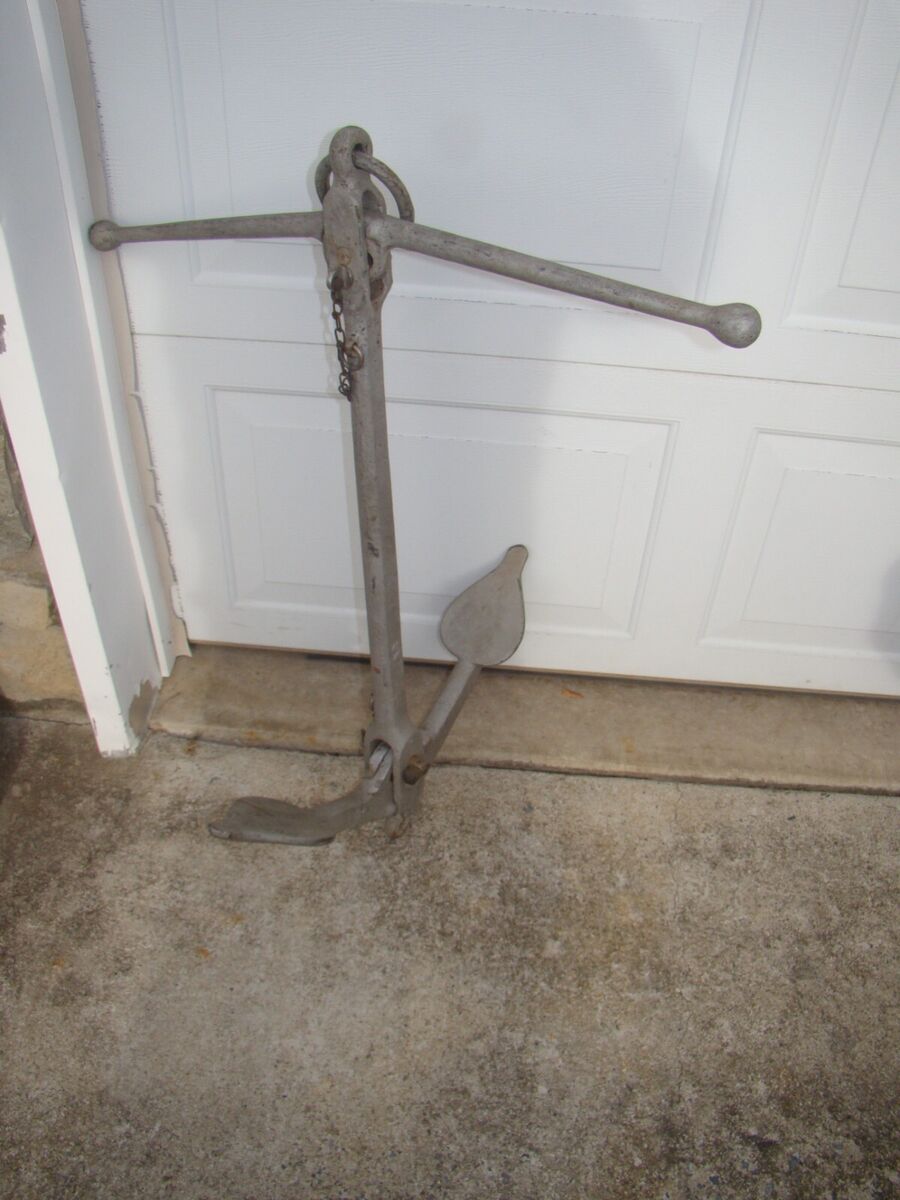
Boat anchor CB radios are classic communication tools. They often need repairs to keep functioning.
These radios, cherished by many, can sometimes encounter issues. Maybe it’s a broken dial or a weak signal. Whatever the problem, knowing how to fix it is crucial. Repairing a boat anchor CB radio might seem daunting at first. But with the right guidance, it’s completely doable.
This blog will guide you through the repair process. We will cover common issues, tools needed, and step-by-step solutions. Whether you’re a novice or have some experience, this guide will help you bring your CB radio back to life. Let’s dive into the world of boat anchor CB radio repair together.
Introduction To Boat Anchor Cb Radios
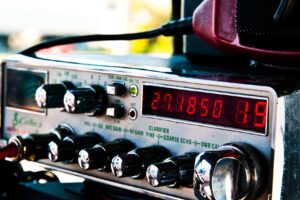
Boat anchor CB radios have a unique charm that resonates with enthusiasts and marine communicators alike. If you have ever stumbled upon one of these hefty devices, you might have felt a sense of nostalgia. They are more than just tools for communication; they are a piece of history.
History Of Boat Anchor Cb Radios
The term “boat anchor” is often used to describe older, heavy CB radios. These devices were the giants of their time, prominent in the 1950s and 1960s. They were known for their robustness and reliability.
Back then, CB radios were a breakthrough in communication technology. Their heavy and durable design earned them the nickname “boat anchor.” Despite their weight, they were prized possessions for many boat owners and truck drivers.
Do you remember the first time you saw one of these devices? The sheer size and solid build were impressive. It’s no wonder they are still beloved by collectors and enthusiasts today.
Importance Of Cb Radios In Marine Communication
Boat anchor CB radios were crucial for marine communication. On the water, reliable communication is a lifeline. These radios provided a consistent and clear method to stay in touch, even in rough conditions.
CB radios allowed sailors to communicate over long distances. Whether it was coordinating with other vessels or calling for help, these radios were indispensable. Their durability made them ideal for the harsh marine environment.
Have you ever thought about what it would be like to sail without modern communication tools? It’s a daunting idea. Boat anchor CB radios were the pioneers that made marine communication safer and more efficient.
In today’s world, where technology evolves rapidly, these radios remind us of the importance of reliable communication. They are a testament to the ingenuity and innovation of their time.
Do you have any experiences with boat anchor CB radios? Share your stories in the comments. Let’s keep the conversation going and preserve the legacy of these remarkable devices.
Common Issues In Boat Anchor Cb Radios
Boat anchor CB radios are robust devices used for communication on the water. Like all electronics, they can face problems. Knowing the common issues helps in troubleshooting and repair.
Signal Interference Problems
Signal interference is a frequent issue with boat anchor CB radios. It can disrupt communication and reduce clarity. Sources of interference include nearby electronic devices, bad weather, and obstructions. Identifying the cause is key to resolving the issue.
Power Supply Failures
Power supply failures are another common problem. These failures can prevent the radio from turning on or cause it to lose power unexpectedly. Check connections and battery health regularly. Faulty wiring or battery issues are often the culprits. Replacing worn-out components can restore functionality.
Essential Tools For Repair
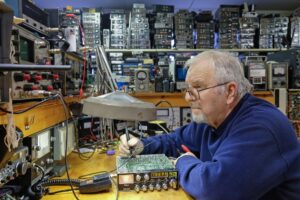
Repairing boat anchor CB radios can be a rewarding task, but it requires the right set of tools. Having the essential tools at your disposal can make the difference between a successful repair and a frustrating experience. Let’s dive into the essential tools you’ll need for repairing boat anchor CB radios.
Basic Hand Tools
First and foremost, you need basic hand tools. These are the backbone of any repair job.
A good set of screwdrivers is a must. You’ll need both Phillips and flathead types in various sizes. These will help you open up the radio casing without damaging it.
Needle-nose pliers are another essential tool. They are perfect for gripping small components and wires. They can also be handy when you need to bend or shape wires.
Wire cutters are also crucial. You will need them to trim wires to the right length and to strip insulation from the ends. Make sure they are sharp and precise to avoid damaging the wires.
Specialized Electronic Equipment
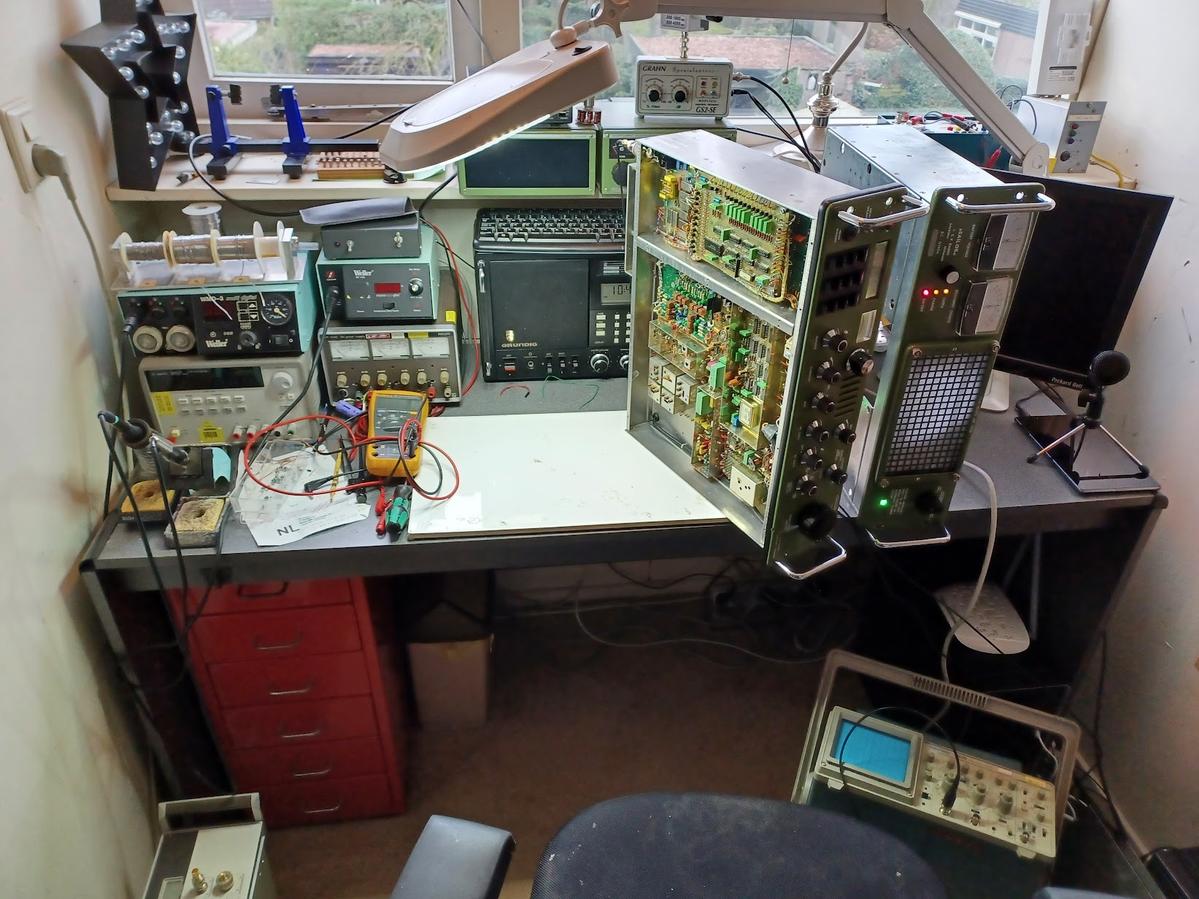
Beyond basic hand tools, specialized electronic equipment is necessary for more advanced repairs.
A multimeter is invaluable. It allows you to measure voltage, current, and resistance. This can help you diagnose issues with the radio’s circuitry.
An oscilloscope is another important tool. It lets you visualize electrical signals, making it easier to identify problems in the signal flow. While it might seem complex, it’s a powerful tool once you get the hang of it.
Soldering equipment is also essential. A good soldering iron and quality solder can help you make strong, reliable connections. Practice on scrap materials if you’re new to soldering to build your confidence.
Finally, a signal generator can be very helpful. It allows you to inject a test signal into the radio. This helps in tracing signal paths and identifying faulty components.
Have you ever struggled with a radio repair because you lacked the right tools? Investing in these essential tools can save you time and frustration. What’s your go-to tool for electronics repair?
Credit: www.qrz.com
Diagnosing Problems
Diagnosing problems with your Boat Anchor CB Radio is crucial for effective repairs. Understanding the symptoms and identifying the root cause can save you time and money. This section will guide you through the process, starting with visual inspection techniques and moving on to using multimeters.
Visual Inspection Techniques
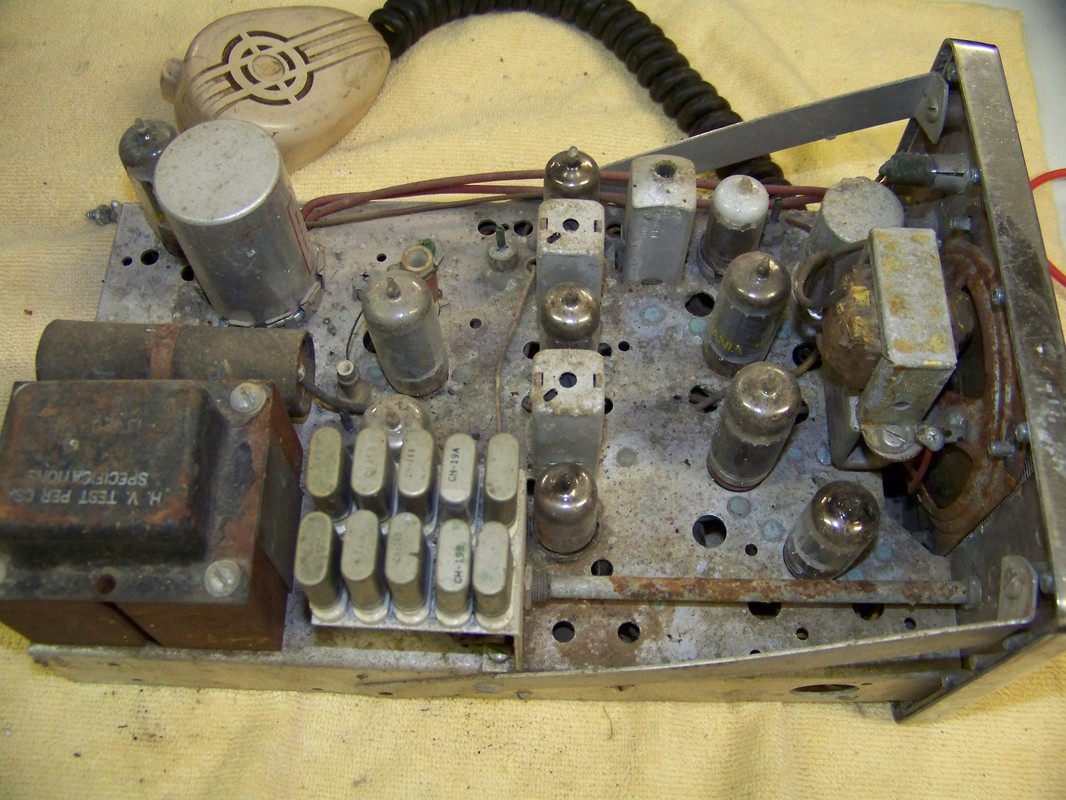
Visual inspection is the first step in diagnosing problems. Look for obvious signs of damage. Check for loose or broken wires. Examine the connectors and terminals for corrosion. Inspect the circuit board for burnt components. Look for any signs of physical damage. Sometimes, the problem is visible and easy to fix.
Using Multimeters
Multimeters are essential tools for diagnosing electronic problems. They measure voltage, current, and resistance. Start by testing the power supply. Ensure the radio is receiving the correct voltage. Check the continuity of the wires. Measure the resistance of various components. Identify any faulty parts. Using a multimeter can pinpoint issues that are not visible.
Repairing Power Supply Issues
Having trouble with your boat anchor CB radio? Power supply issues are common but fixable. You’ll need a bit of patience and some basic tools to get the job done.
Start by checking the fuses. These small components can cause big problems if they blow. Look inside the power supply unit for any burnt or broken fuses.
Replacing them is simple. Just match the fuse type and rating, then swap the old one with a new fuse. If your radio powers up, you’ve solved the issue!
If the fuse blows again, there might be a short circuit somewhere. It’s time for a deeper look.
Next, check the transformer. This component steps down voltage from the mains to a level your radio can handle. If it’s faulty, your radio won’t get the power it needs.
You can test the transformer with a multimeter. If the readings are off, you’ll need to replace it. Make sure you get a transformer that matches your radio’s specifications.
Ever had your radio suddenly stop working? I had this happen during a storm. It turned out the transformer was fried. Replacing it brought my radio back to life, ready for the next adventure.
What challenges have you faced with your CB radio? Share your stories and solutions, let’s keep the conversation going!
Fixing Signal Interference
Fixing signal interference on your boat anchor CB radio can be a game changer. Interference can disrupt communication, making it hard to send or receive messages. Let’s explore how you can tackle this issue step-by-step.
Adjusting Antenna
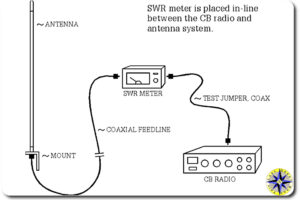
One of the first things you should check is your antenna. A poorly adjusted antenna can be a major source of interference. Make sure the antenna is securely mounted and properly aligned.
Use an SWR meter to measure the standing wave ratio. This will help you determine if the antenna is tuned correctly. Adjust the length of the antenna until you get the lowest SWR reading possible.
Have you ever noticed better signal quality when you’re closer to the shore? This could be because of the better alignment. Always ensure your antenna is in the best possible position for optimal performance.
Checking Ground Connections
Ground connections are crucial for reducing interference. A poor ground can lead to a lot of unwanted noise in your signal. Check the ground connections on your radio and antenna.
Inspect the ground wires for any signs of corrosion or wear. Replace them if necessary. A clean, solid ground connection can significantly improve your signal quality.
Have you checked the ground connection on your boat recently? It’s easy to overlook but can make a big difference. Make it a point to check it regularly.
By focusing on these areas, you can minimize signal interference on your boat anchor CB radio. These small adjustments can lead to clearer communication and a more enjoyable experience on the water.
Maintaining Boat Anchor Cb Radios
Boat anchor CB radios are valued for their durability and reliability. Keeping them in top condition helps ensure clear communication. Here are some essential tips to maintain your boat anchor CB radio.
Regular Cleaning Tips
Dust can gather on your CB radio. Clean it weekly with a soft cloth. Avoid using water or cleaners that contain harsh chemicals. These can damage the radio’s surface. A small brush helps reach tight spaces. This keeps your device looking new and ensures proper function.
Routine Component Checks
Check all external parts for wear and tear. Pay close attention to the antenna and cables. A loose connection can cause communication issues. Tighten connections with a wrench. Inspect internal components monthly. Look for signs of corrosion or damage. Clean contacts with a contact cleaner spray. This ensures a strong signal and extends the life of your radio.
Credit: www.facebook.com
Upgrading And Modifying
Boat anchor CB radios are vintage devices. They often lack modern conveniences. Upgrading them can enhance their usability. Modifying them can improve their performance. This section will guide you through adding modern features and improving range and performance.
Adding Modern Features
Vintage CB radios can be upgraded with modern features. Adding digital displays is a common modification. Digital displays provide clearer information. They are easier to read, especially in low light.
Another popular upgrade is installing noise-canceling microphones. These reduce background noise. Communication becomes clearer and more effective. Upgrading the speaker system can also improve audio quality.
Bluetooth connectivity is another useful feature. It allows for hands-free operation. This is particularly helpful while driving. Adding modern features makes using vintage CB radios more convenient.
Improving Range And Performance
Improving the range of your CB radio is possible. One method is upgrading the antenna. High-quality antennas provide better signal reception. This enhances communication range.
Another modification is adding a power amplifier. Power amplifiers increase the radio’s output power. This results in a stronger signal. It can significantly improve the range of your CB radio.
Fine-tuning the radio’s internal components can also boost performance. Adjusting the frequency and sensitivity settings can improve signal clarity. Regular maintenance and cleaning keep the radio functioning optimally.
Improving range and performance ensures your CB radio operates efficiently. These modifications can make your boat anchor CB radio a reliable communication tool.
Safety Precautions
Working on a boat anchor CB radio can be an exciting and rewarding task. However, ensuring your safety during the repair process is paramount. Let’s dive into some critical safety precautions to keep you safe while handling these vintage devices.
Handling Electrical Components
When dealing with electrical components, always unplug the radio before starting any repair. This simple step can prevent electrical shocks.
Use insulated tools to avoid accidental contact with live circuits. Insulated tools provide an extra layer of protection.
Be mindful of capacitors, as they can store a charge even after the device is turned off. Always discharge capacitors before working on them to prevent shocks.
Avoiding Common Hazards
Avoid working in a cluttered area. Keep your workspace tidy to prevent accidents and ensure easy access to your tools.
Wear safety glasses to protect your eyes from solder splashes or small debris. Safety glasses are a simple yet crucial piece of protective gear.
Be cautious of lead-based solder. Use lead-free solder when possible, and ensure proper ventilation to avoid inhaling harmful fumes.
Have you ever experienced a small spark while working on electronics? It can be startling and dangerous. By following these safety precautions, you can minimize risks and focus on successfully repairing your boat anchor CB radio. What other safety measures do you take when handling electrical repairs?
Credit: www.radioboatanchorblog.com
Conclusion And Additional Resources
Repairing a boat anchor CB radio can be rewarding. Understanding the basics helps keep your equipment running smoothly. This section will summarize key points and provide further resources.
Summary Of Key Points
First, always diagnose the issue before attempting repairs. Use a multimeter to check for power. Inspect the antenna and cables for damage. Replace any faulty parts with quality components. Regular maintenance can prevent many common problems.
Recommended Reading And Tools
For more in-depth information, consider these resources. “The CB Radio Handbook” covers basics and advanced topics. Online forums like CB Radio Talk offer community support. Essential tools include a multimeter, soldering iron, and quality replacement parts.
Frequently Asked Questions
How To Repair A Boat Anchor Cb Radio?
Repairing a boat anchor CB radio involves checking connections, replacing faulty components, and ensuring proper tuning. Consult a professional if needed.
Common Issues With Boat Anchor Cb Radios?
Common issues include poor reception, faulty wiring, and outdated components. Regular maintenance can prevent these problems.
Can I Upgrade My Old Cb Radio?
Yes, you can upgrade by replacing old parts with modern components. Professional assistance is recommended for complex upgrades.
What Tools Are Needed For Cb Radio Repair?
Basic tools include screwdrivers, soldering iron, multimeter, and replacement parts. Having a repair manual is helpful.
Conclusion
Repairing a boat anchor CB radio can be simple. Follow these steps for success. Regular maintenance ensures your device works properly. Keep your radio in top condition. A well-functioning CB radio enhances your boating experience. Troubleshoot issues early to avoid bigger problems.
Enjoy clear communication on the water. Happy boating!