Big Dummy’S Guide to Cb Radio: Master the Airwaves
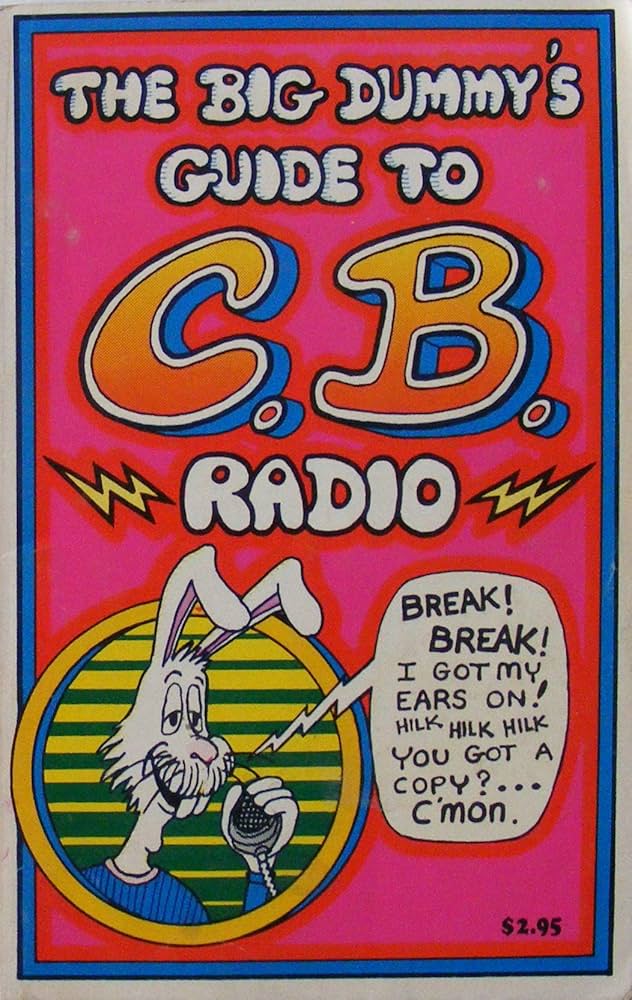
CB radios have been around for decades. They remain popular for communication in various situations.
Are you new to CB radios? This guide is perfect for you. Understanding CB radios can seem tricky at first. There are many terms and concepts to grasp. But don’t worry. This guide breaks it down into simple steps. You’ll learn the basics of CB radios and how to use them effectively.
Whether you need it for travel, work, or fun, CB radios offer a reliable way to communicate. So, let’s dive into the world of CB radios and make it easy to understand. Ready to get started? Let’s go!
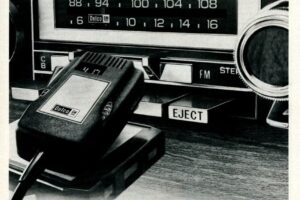
Credit: archive.org
Introduction To Cb Radio
Welcome to the world of CB Radio! This guide is perfect for those who want to learn all about CB Radio. Whether you’re a beginner or looking to brush up your knowledge, you’re in the right place.
In this section, we’ll explore what CB Radio is and its brief history. Let’s dive in!
What Is Cb Radio?
CB Radio stands for Citizens Band Radio. It is a two-way radio system. People use it to communicate over short distances. CB Radio operates on 40 channels within the 27 MHz band. It is commonly used by truckers, hobbyists, and in emergencies.
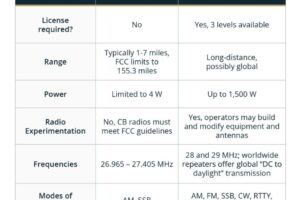
Unlike other radio services, CB Radio does not require a license. It is easy to use and accessible to everyone. You can use it for casual conversations, road safety, or during off-road adventures.
Brief History
CB Radio first appeared in the 1940s. The Federal Communications Commission (FCC) in the United States created it. It was originally for small businesses and private individuals. In the 1970s, CB Radio became very popular. This was due to the oil crisis and the 55 mph speed limit.
Truck drivers used CB Radios to communicate about speed traps and fuel shortages. Soon, hobbyists and the general public began using them too. The popularity of CB Radio continued through the 1980s. Today, CB Radio remains a useful tool for many people.
Getting Started
Welcome to the exciting world of CB radio! Whether you are a beginner or someone looking to refresh your knowledge, this guide will help you navigate the essentials. CB radios have been around for decades, offering a fun and practical way to communicate.
In this section, we will cover the basics to get you started. From choosing the right equipment to setting it up, we’ve got you covered. Let’s dive in!
Choosing Your Equipment
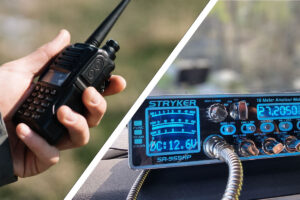
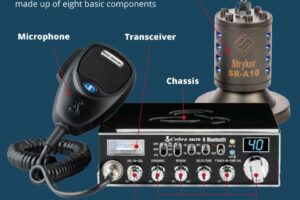
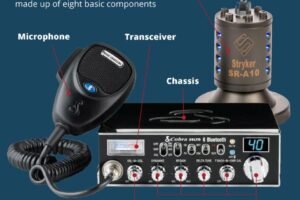
Your first step is to choose the right CB radio equipment. There are different types of CB radios available. Handheld models are portable and easy to use. Mobile CB radios are installed in vehicles. Base station CB radios are for home use.
Consider your needs before making a choice. Think about where you will use the radio most. Handheld models are great for hiking or travel. Mobile units suit truckers and drivers. Base stations are ideal for fixed locations.
Next, look at the features. Some radios have weather channels. Others have built-in SWR meters. Look for a radio with good reviews and a reliable brand. It’s worth spending a little more for quality.
Basic Setup
Once you have your equipment, it’s time for setup. For handheld radios, the setup is simple. Just insert the batteries and turn it on. For mobile and base station radios, the process is more involved.
First, find a good location for your radio. For mobile units, this is usually your vehicle’s dashboard. For base stations, a central spot in your home works best. Make sure there is space for the radio and the antenna.
Next, install the antenna. This is crucial for good reception. For mobile units, place the antenna on the roof or trunk. For base stations, a rooftop or outdoor location is ideal. Follow the manufacturer’s instructions for installation.
Finally, connect the power. For mobile units, this often means connecting to the vehicle’s power supply. For base stations, plug into a wall outlet. Turn on your radio and adjust the settings as needed.
With these steps, you should be ready to start using your CB radio. Enjoy exploring and communicating with others!
Operating Your Cb Radio
Using a CB radio can be a fun and useful way to communicate. Whether you are a truck driver, a hobbyist, or just curious, understanding how to operate your CB radio is essential. This guide will help you get started with the basics, so you can feel confident using your device.
Understanding Channels
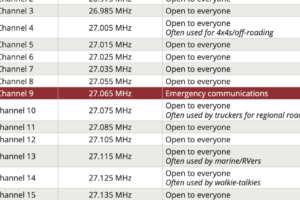
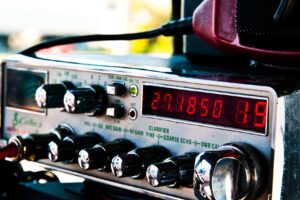
CB radios have 40 channels. Each channel serves a different purpose. Channel 19 is the most common channel for truckers. Channel 9 is for emergencies. Before you start talking, listen to the channel. Make sure it is clear. This prevents you from interrupting others. Always use the right channel for your purpose.
Using The Microphone
Hold the microphone about 2 inches from your mouth. Speak clearly and steadily. Press the button to talk. Release it to listen. Avoid shouting. Your voice should be calm and clear. Practice makes perfect. The more you use it, the better you will become.
Credit: www.youtube.com
Cb Radio Etiquette
Welcome to the Big Dummy’s Guide to CB Radio! Today, let’s dive into a crucial aspect of using CB radio: CB Radio Etiquette. Mastering the etiquette can make your communication clearer, more effective, and enjoyable. Plus, it helps you blend in with seasoned CB users.
Communication Protocols
First and foremost, always identify yourself at the beginning of your transmission. It’s like introducing yourself in a conversation. This helps others know who they are communicating with.
Use clear and concise language. CB radios can sometimes have static or interference, so keep your messages short and to the point. Avoid long-winded explanations.
Listen before you speak. Make sure the channel is free before you start your transmission. Interrupting ongoing conversations can be considered rude.
Common Phrases And Lingo
CB radio has its own lingo and phrases. Learning these can help you fit in and communicate effectively. For example, “10-4” means “message received” and “breaker breaker” is used to request access to a channel.
Other common phrases include “What’s your 20?” which means “What’s your location?” and “Copy that” which means “I understand.” Familiarize yourself with these to sound like a pro.
Using the right lingo can make your interactions smoother. It shows you respect the culture and traditions of CB radio users. Plus, it’s fun to learn and use new phrases!
Have you ever wondered how using CB radio could improve your communication skills in everyday life?
Engage with CB radio communities online or locally. They often share tips and experiences that can help you get better at CB radio etiquette.
By following these protocols and learning the lingo, you’ll be well on your way to becoming a respected member of the CB radio community.
Troubleshooting Common Issues
Welcome to the troubleshooting guide for common CB radio issues. No matter your experience level, facing problems with your CB radio can be frustrating. This section will help you solve some frequent problems. Let’s dive into signal issues and equipment malfunctions.
Signal Problems
Weak signals can be a common issue. Check your antenna first. A damaged or improperly mounted antenna can weaken signals. Make sure it’s secure and in good condition. Also, inspect the coaxial cable. It should be free of cuts or breaks.
Another factor is interference. Nearby electronic devices can cause signal disruption. Keep your CB radio away from other electronics. Additionally, ensure your antenna is not obstructed by buildings or trees.
A simple solution can be adjusting the squelch control. This can filter out unwanted noise and improve signal clarity. Fine-tuning your radio’s settings can also help enhance signal quality.
Equipment Malfunctions
Sometimes, equipment malfunctions can hinder your CB radio experience. Start by checking the power supply. Make sure your radio is connected to a reliable power source. Inspect the power cord for any signs of damage.
If your radio won’t turn on, the fuse might be blown. Replace it with a new one. Ensure you use the correct fuse type for your radio model. Additionally, check the microphone connection. Loose or faulty microphone connections can lead to poor audio quality.
Another common issue is with the speaker. If you hear crackling sounds, your speaker may be damaged. Test the speaker with another device to confirm the issue. If the problem persists, consider replacing the speaker.
Regular maintenance can prevent many equipment malfunctions. Keep your radio clean and free of dust. Periodically check all connections and cables for wear and tear.
Enhancing Your Cb Experience
Enhancing your CB radio experience can be a game-changer. Whether you’re a newbie or a seasoned user, small tweaks can significantly improve your CB setup. Let’s dive into two key areas that can make a huge difference: upgrading your antenna and using external speakers.
Upgrading Your Antenna
Your antenna is the heart of your CB radio system. A better antenna can improve your range and clarity. When I first started, I used a basic whip antenna. It worked fine, but I wanted more.
After some research, I upgraded to a fiberglass antenna. The difference was night and day. I could communicate more clearly and over longer distances. If you want a quick boost, consider upgrading your antenna.
Here are some tips for choosing the right antenna:
- Look for a longer antenna; it generally provides better range.
- Check for durability. Fiberglass and stainless steel are good options.
- Ensure it’s compatible with your CB radio model.
Using External Speakers
Ever struggled to hear your CB radio in a noisy environment? External speakers can solve this issue. They provide clearer sound, making it easier to understand conversations.
When I installed an external speaker in my truck, it made a world of difference. Road noise was no longer a problem. I could hear my fellow drivers without having to strain my ears.
Here are some things to consider when choosing external speakers:
- Look for speakers with good sound quality and volume control.
- Consider the size and mounting options. Ensure it fits your vehicle.
- Check for weather resistance if you plan to use it in harsh conditions.
Upgrading your antenna and adding external speakers can vastly improve your CB radio experience. Have you tried any other enhancements? Share your thoughts in the comments below!
Cb Radio Laws And Regulations
Understanding CB radio laws and regulations is crucial for any enthusiast who wants to use their device legally and effectively. Whether you are an off-roading adventurer, a long-haul trucker, or just someone who loves to chat, knowing the rules can help you avoid fines and ensure a smooth communication experience. Let’s dive into the essentials, including licensing requirements and legal frequencies.
Licensing Requirements
Unlike other types of radio services, CB radio in the United States does not require a license. This makes it accessible to everyone. However, this wasn’t always the case. Before 1983, users needed a license from the FCC. The change has made it easier for hobbyists to get started.
Other countries may have different rules. For example, in Canada, you also don’t need a license. But it’s always a good idea to check local regulations if you plan to use your CB radio outside the United States.
Have you ever thought about how easy it is to just pick up a CB radio and start talking? While no license is needed, you must still follow other rules.
Legal Frequencies
CB radios operate on 40 shared channels within the 27 MHz band. Channel 19 is popular among truckers for traffic updates. Channel 9 is reserved for emergency communications. It’s essential to know which channels are designated for specific uses.
Using unauthorized frequencies can get you in trouble. The FCC monitors these frequencies, and you could face penalties if you use them improperly. Stick to the 40 legal channels to avoid issues.
Ever wondered why some channels are busier than others? Channels like 19 and 9 have specific purposes. Knowing these can make your CB radio experience more effective.
Understanding the laws and regulations not only keeps you compliant but also enhances your communication experience. Are you ready to start using your CB radio legally and effectively?
Advanced Tips And Tricks
Explore advanced tips and tricks in the ‘Big Dummy’s Guide to CB Radio’. Learn best practices for optimal radio performance. Enhance communication skills with expert advice.
Diving into the world of CB radio can be incredibly rewarding. Once you’ve got the basics down, it’s time to explore some advanced tips and tricks to elevate your experience. This section will provide you with practical advice on boosting your signal strength and getting involved in CB communities.Boosting Signal Strength
A strong signal is key to clear communication on your CB radio. Start by investing in a high-quality antenna. An antenna with a longer reach can significantly improve your signal strength. Another tip is to ensure your antenna is properly tuned. Use a SWR (Standing Wave Ratio) meter to measure and adjust the antenna for optimal performance. Consider installing a linear amplifier. This device can boost your signal, making it easier to communicate over longer distances. However, be mindful of legal restrictions in your area. Lastly, reduce interference from other electronic devices. Keep your CB radio and antenna away from power lines, large metal objects, and other electronics that might cause signal disruptions.Participating In Cb Communities
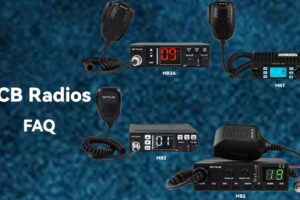
Joining CB communities can enhance your CB radio experience. Start by listening to popular channels in your area. This will give you a sense of the local CB culture and etiquette. Introduce yourself to other CB users. Share your handle and be polite. Engaging in friendly conversations can help you build connections. Look for local CB clubs or online forums. Many enthusiasts gather in these spaces to share tips, plan meetups, and discuss the latest trends in CB radio. Participate in organized events like ‘breaks’ or CB radio meets. These gatherings are a great opportunity to network and learn from more experienced users. Remember, being part of a community means contributing as well. Share your knowledge, help newcomers, and stay active to get the most out of your CB radio hobby. By focusing on boosting your signal strength and participating in CB communities, you can take your CB radio experience to the next level. What advanced tips have you found useful in your CB radio journey?Credit: www.amazon.com
Frequently Asked Questions
What Is A Cb Radio Used For?
CB radios are used for short-distance communication. They are popular among truckers, hobbyists, and emergency services.
How Far Can A Cb Radio Transmit?
CB radios typically transmit up to 10 miles. The range can vary based on terrain and antenna quality.
Do You Need A License For A Cb Radio?
No, you don’t need a license to operate a CB radio in the United States.
What Channels Do Cb Radios Use?
CB radios use 40 standard channels. Channel 19 is popular for highway communication among truckers.
Conclusion
Exploring CB radio can be fun and informative. It’s a great hobby. You now know the basics to get started. Connect with others who share your interest. Practice and learn more each day. Enjoy the unique community and conversations. Happy CB radio adventures!